Bar, Montenegro
 DEVELOPMENT BOARD (nRF52)
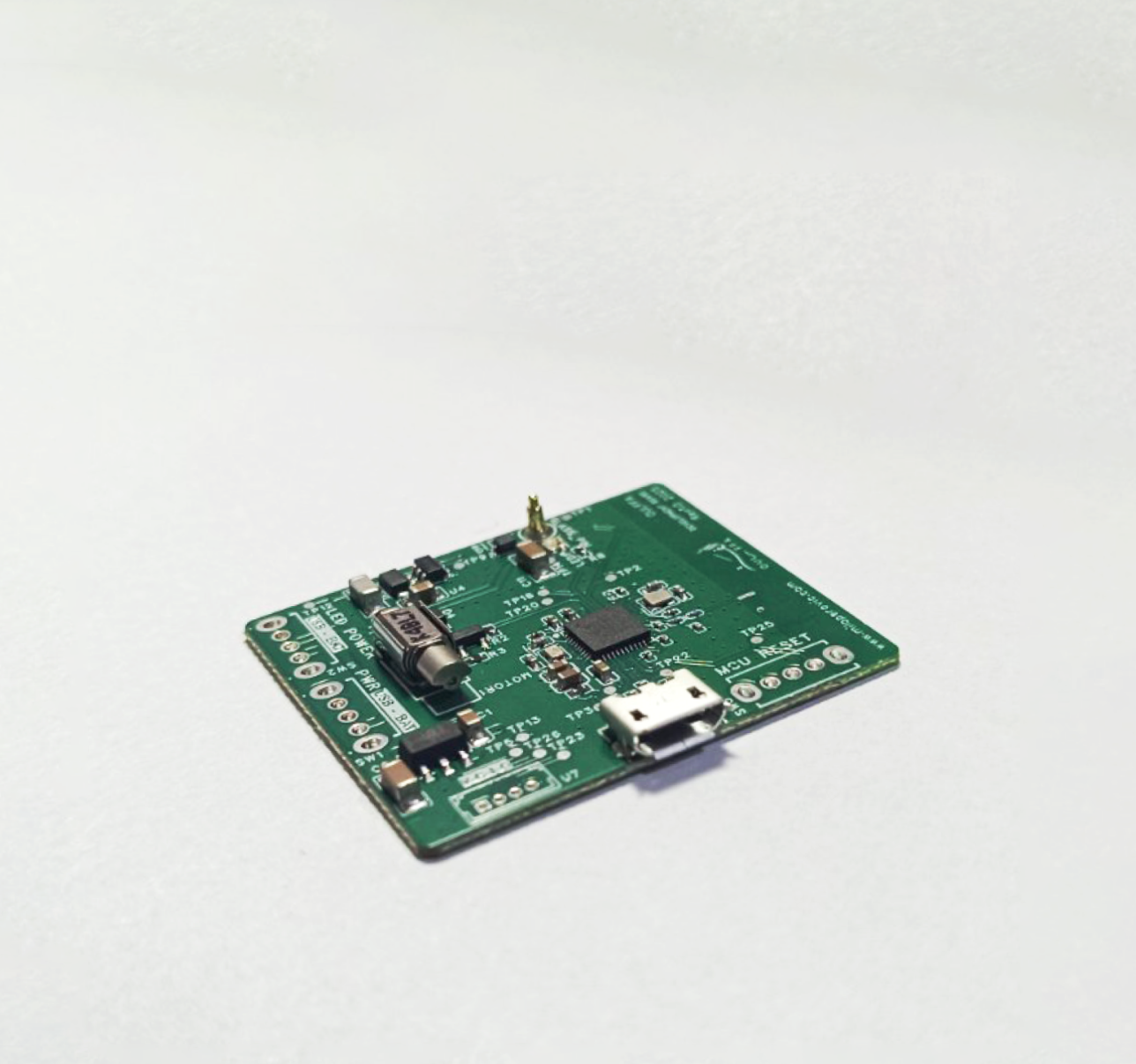
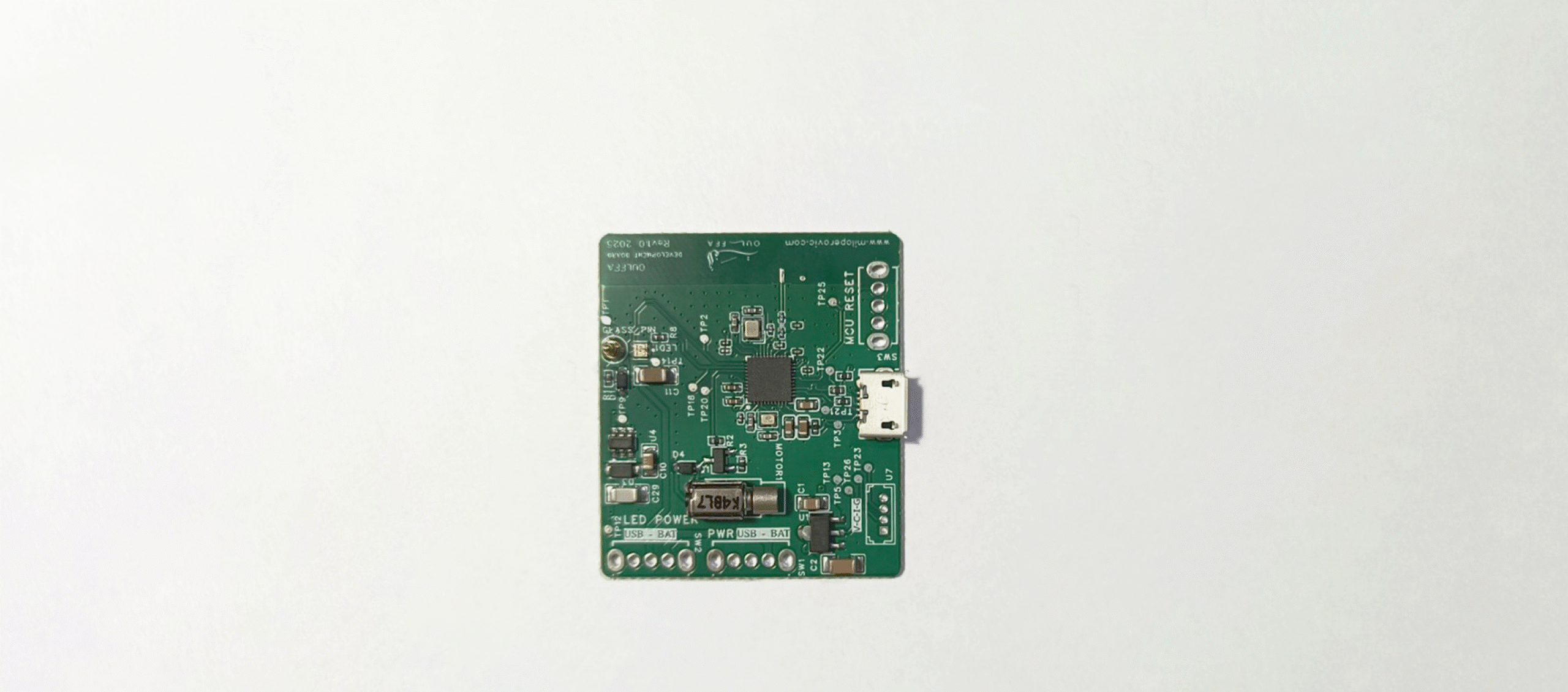
 Designed Fully Custom board based on nRF52820 MCU. The board contains Wireless Battery Charging circuit, Vibration Motor, WS2812 RGB LED and a Capacitive Sensor.
Hady Salah
Hardware and Software
2024
On-going
 Integrated Creation
 Identifying Key Issues
One of the key challenges in developing the nRF52820-based smart bracelet was implementing a responsive and reliable touch interface directly on the glass surface. We opted for a capacitive sensing approach, which introduced complexity due to the glass material’s limited conductivity and mechanical constraints. Achieving consistent sensitivity required custom electrode layout, careful shielding, and fine-tuning of capacitive parameters.

Defining Our Vision
Our goal was to create a functional yet minimal smart bracelet that delivers key features without unnecessary complexity. The device was designed to include low-power BLE connectivity, an RGB LED for visual feedback, and a vibration motor for discreet alerts—all while maintaining extended battery life and a compact, user-friendly form. The focus was on balancing functionality with simplicity to ensure a seamless user experience.
 PROJECT OUTCOME
 Strategies Used
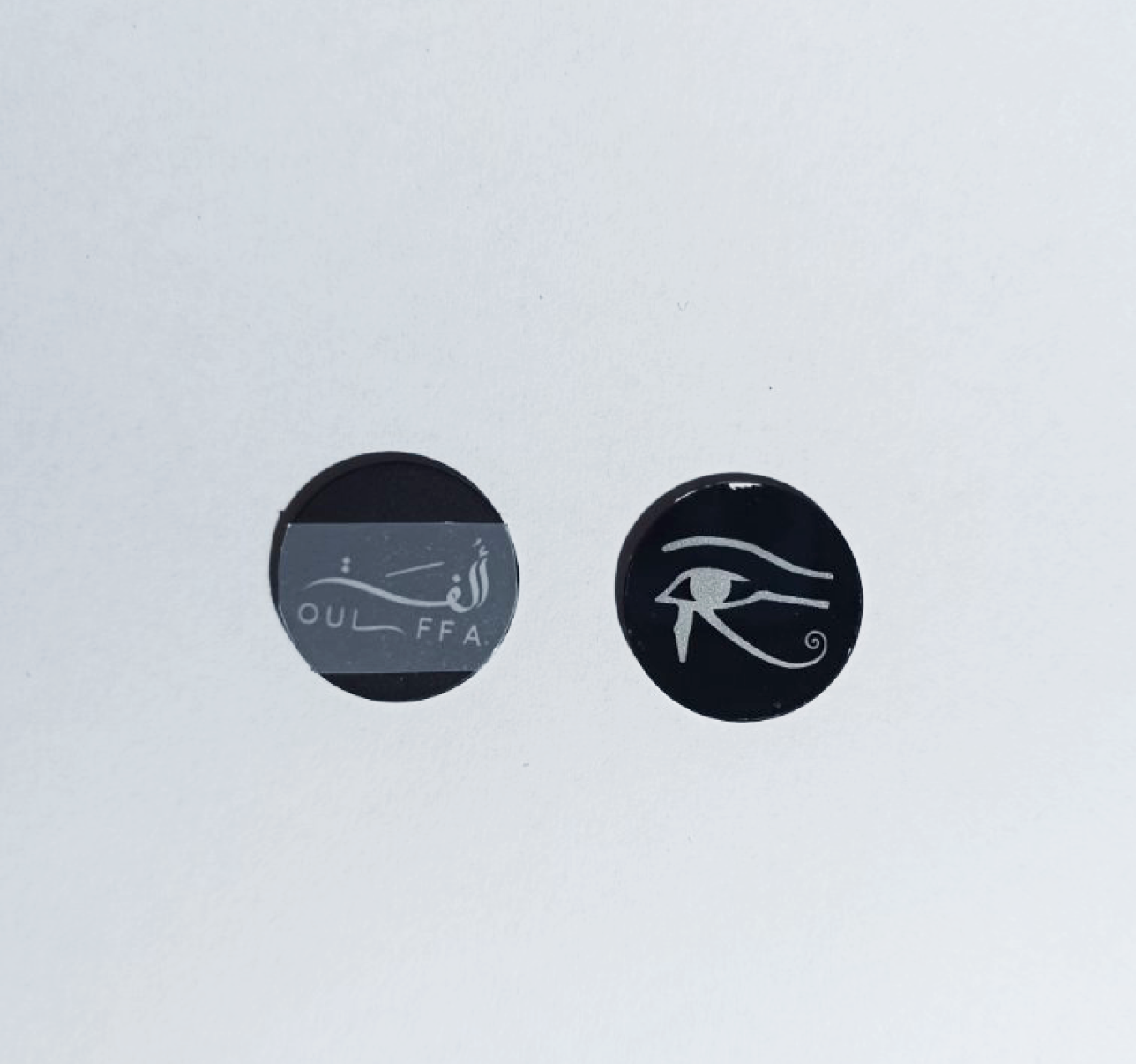
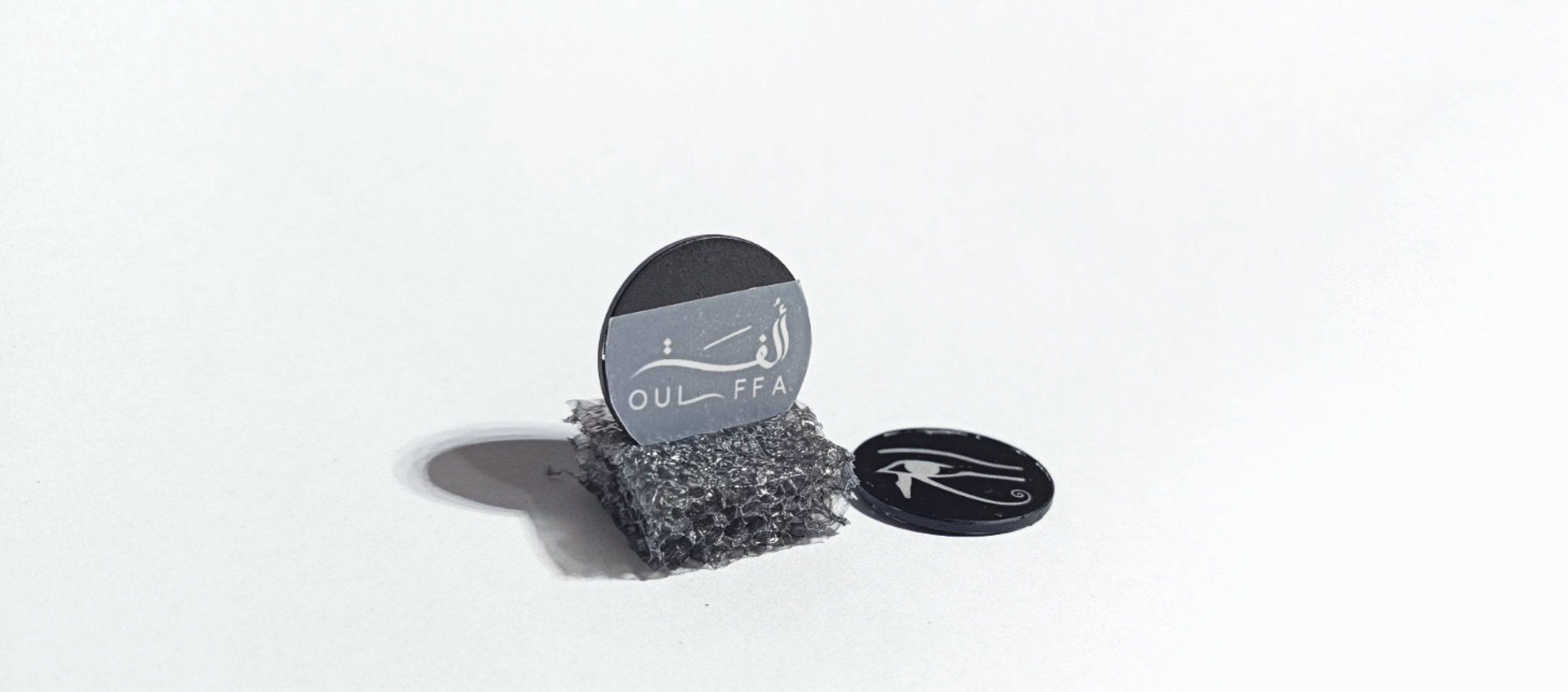
The hardware was built around the nRF52820, with a custom PCB designed to support low-power operation and compact integration. Firmware was developed in C using the Nordic SDK, enabling precise control over BLE communication, RGB LED behavior, and haptic feedback. For the touch interface, a custom conductive mixture was formulated and applied to the glass surface, enhancing capacitive sensitivity. This layer was laser-etched to define touch zones, and a specially engineered diffusing layer was added on top to evenly distribute RGB LED light across the surface, ensuring both functionality and aesthetics.
Outcome Delivered
The result was a sleek and functional smart bracelet that combined responsive touch interaction with vibrant visual feedback and subtle haptics. The glass touch panel performed reliably under real-world conditions, while the diffused lighting provided a clean and modern aesthetic. The device maintained ultra-low power operation, delivering extended battery life while keeping the user experience seamless and intuitive.